
Ultrasonic Sensors for Manufacturing Automation & Industrial Systems
Material Handling and Automated Equipment Integration
Migatron ultrasonic sensors for manufacturing deliver precise non-contact level measurement, distance sensing, and object detection in industrial automation systems. Ideal for OEM integration, these industrial ultrasonic sensors perform reliably in conveyor applications, material handling, and hazardous environments.

Reliable Sensing in Harsh Industrial Environments

Conveyor Belt Object Detection
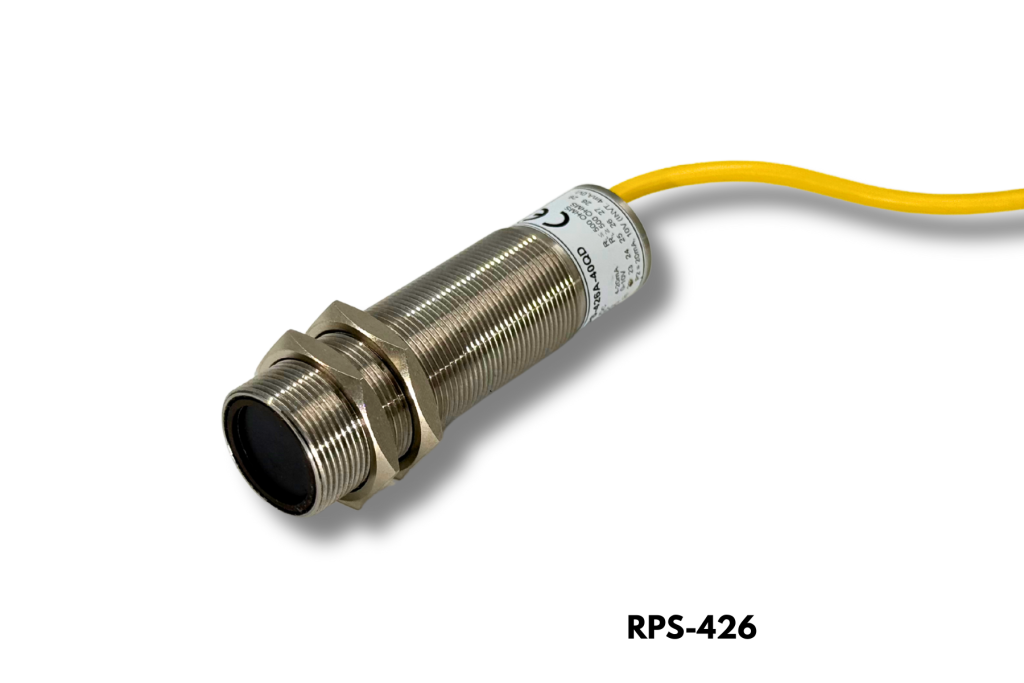
Featured Ultrasonic Sensor: RPS-401A
In manufacturing, automation sensors for conveyor systems play a vital role in monitoring materials throughout the production line. Preventing product accumulation is essential to avoid equipment strain and reduce downtime.
Why RPS-401A
- Compact design fits easily into tight conveyor spaces.
- Calibrated short range ultrasonic sensor ideal for low-profile material monitoring.
- A narrow sensing beam offers precise detection in confined or cluttered environments.
How It Works
- The RPS-401A Ultrasonic Sensor is mounted above the conveyor belt.
- It emits ultrasonic pulses to measure the height of materials on the belt in real time.
- Adjust conveyor speed
- Trigger alarms or shutoffs in overload conditions
Robots in Industrial Environments
Logistics robots such as AMRs and AGVs rely on accurate sensing for positioning, obstacle detection, and material handling. Ultrasonic sensors for robotics provide a reliable, non-contact solution, especially in industrial environments where dust, steam, or poor lighting can limit optical sensor performance.
Using time-of-flight measurement, these industrial robot sensors detect objects regardless of color, transparency, or reflectivity, ensuring consistent performance in factories.
Read our full article on Ultrasonic Sensors in Robotics
Common Applications
- Docking & Positioning – Precise alignment at stations and conveyors
- Obstacle Detection – Reliable sensing in dusty or low-visibility areas
- Pallet Detection – Verify load presence before transport
- Conveyor Transfer – Ensure smooth hand-off between systems

How to Select an Ultrasonic Sensor for Manufacturing Applications
Proper installation is critical to sensor performance. Ultrasonic sensors require a clear path between the sensor and the target, free from obstructions that could interfere with the sound pulse.
Engineers should consider:
- Mounting angle relative to the target –Read Blog Post
- Avoiding false reflections from nearby structures
- Maintaining proper distance from tank walls or equipment
Correct placement minimizes signal loss and improves measurement accuracy.
| Manufacturing Area | Common Application | Measurement Needed | Suggested Sensor |
|---|---|---|---|
| Conveyor Systems | Detect product presence, buildup, or accumulation on conveyor belts | Short-range object detection or material height monitoring | RPS-401A for analog distance feedback in compact conveyor spaces |
| Material Handling Equipment | Verify pallet, tote, box, or part position before transfer | Non-contact position or presence detection | RPS-401 for adjustable proximity detection with relay outputs |
| Robotic Workcells | Confirm part location, robot docking position, or handoff alignment | Short-range distance sensing for positioning and verification | LCU-40APW for 4 to 40 inch analog and pulse width output applications |
| Roll Diameter Monitoring | Measure changing roll diameter during winding, unwinding, or packaging | Continuous non-contact distance measurement | RPS-401A for adjustable analog output over short industrial ranges |
| Bin, Hopper, or Small Tank Monitoring | Monitor liquid, resin, pellets, or bulk material levels in manufacturing equipment | Non-contact level measurement or high/low alarm | RPS-4000 for longer-range level measurement with 4 to 20 mA output |
| Machine Guarding Support | Detect part presence before machine cycling or reject handling | Reliable object detection independent of target color or reflectivity | RPS-400-30 for compact 5 to 30 inch proximity detection |
| Packaging Equipment | Confirm container, carton, or product location before filling, sealing, or labeling | Short-range object detection in automated packaging lines | RPS-150 when a broader sensing beam is useful for target variation |
| Hazardous Manufacturing Areas | Detect level, distance, or object position where gas, dust, or fibers may be present | Intrinsically safe non-contact sensing | RPS-409A-IS2 for hazardous gas or dust environments requiring approved intrinsic safety barriers |
Ultrasonic Sensors for Original Equipment Manufacturers
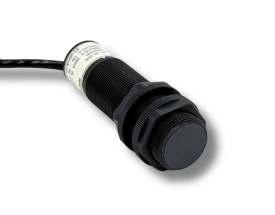
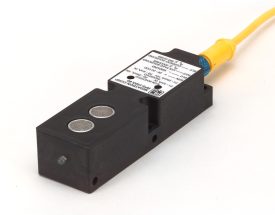
Case Studies: Migatron Ultrasonic Sensors in Manufacturing
See how ultrasonic sensors are used in automation equipment based on these case studies.
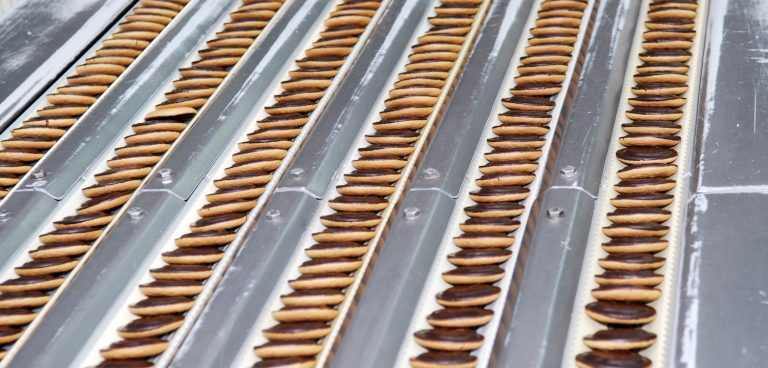
- A manufacturer needs to know the diameter of finished rolls of paper products so they can be packaged.
- They need a non-contact sensor that would not be affected by changing target surfaces or colors.
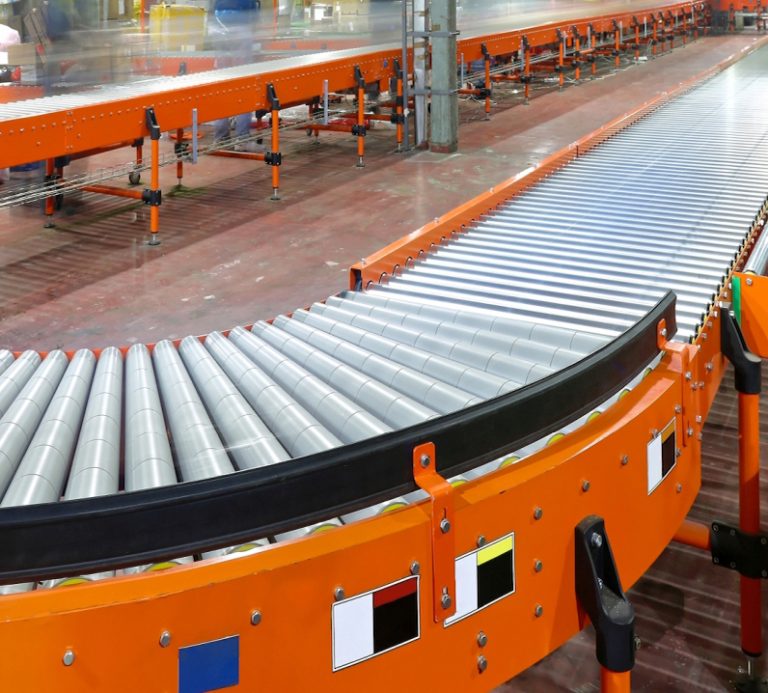
- The customer was having problems with the photocells on their conveyor lines.
- They need a hazardous location sensor that can withstand a hostile environment.