Ultrasonic Sensors for Oil & Gas Applications

Sensors for Oil & Gas

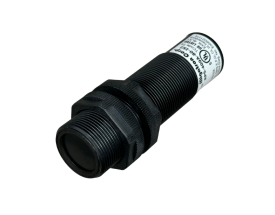
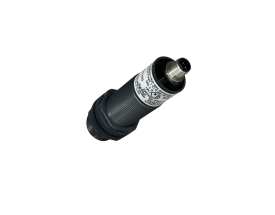
Migatron intrinsically safe ultrasonic sensors provide non-contact level measurement for oil and gas industry drilling, storage, and other equipment. Our sensors are used to monitor liquid levels, support high and low level alarms, and provide analog feedback to PLCs and control systems.

For classified locations where flammable gases, vapors or dust may be present, our intrinsically safe sensors deliver precise measurement and monitoring capabilities while meeting the rigorous safety requirements of hazardous locations and explosive atmospheres.

Sensors with Hazardous Area Approvals

Engineered Solutions for Oil & Gas Applications

Migatron’s ultrasonic sensors are specifically designed to overcome the challenges faced in oil and gas operations. Our intrinsically safe sensor technology delivers reliable performance in hazardous areas while providing the precision measurement capabilities essential for critical applications.

Benefits for Oil & Gas Operations:

  • Intrinsically Safe Design – ATEX and IECEx certified sensors eliminate ignition risks in explosive atmospheres
  • Non-Contact Measurement – Ultrasonic technology provides accurate readings without contacting potentially corrosive materials
  • Reliable Level Detection – Precise monitoring of tank levels for crude oil, refined products, and process chemicals
  • Durable Construction – Sensors built to withstand harsh environmental conditions and continuous operation
  • Integration Capabilities – Compatible with existing monitoring systems and control infrastructure

Non-Contact Level Measurement for Oil and Gas Systems

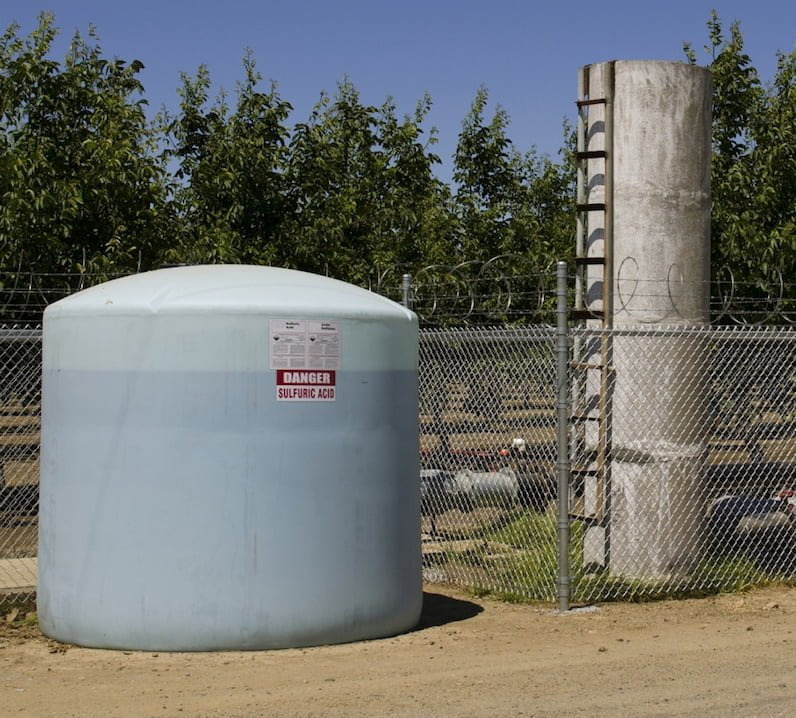
Oil and gas operations often require reliable level monitoring in tanks, vessels, and equipment where contact-based sensors may create maintenance, contamination, or installation concerns. Ultrasonic sensors measure distance using sound waves, allowing the sensor to monitor the target from above without touching the liquid or material.

Common applications include:

  • Crude oil tank level monitoring
  • Refined fuel tank level monitoring
  • Chemical injection tank monitoring
  • Additive and blending tank monitoring
  • Waste oil and containment tank monitoring
  • High and low level alarm applications
ultrasonic sensor for tank level measurement in a hazardous area

Choosing the Right Ultrasonic Sensor for Oil and Gas Applications

Area of Use

Common Application

Measurement Needed

Suggested Sensor

Pipe Handling Equipment

Pipe presence, pipe alignment, pipe transfer detection

Short-range object detection or analog position feedback

RPS-429A-IS

Valve and Actuator Systems

Valve open/closed position, actuator travel, mechanical movement

Non-contact position feedback in hazardous areas

RPS-429A-IS

Crane and Hoist Equipment

Crane travel, hoist position, moving equipment detection

Short-distance position or presence detection

RPS-409A-IS2

OEM Oilfield Machinery

Skids, handling systems, packaged equipment, drilling support equipment

Custom specifications for complex application

Contact Migatron Engineering

Hazardous Area Object Detection

Equipment presence, target detection, cover or hatch position

Intrinsically safe short-range detection

RPS-429A-IS

Classified North American Locations

Pipe handling, valve positioning, or equipment detection in Class I, II, or III areas

0–10 VDC analog output to PLC or control system

RPS-409A-IS3

Work With Experts On Your Oil & Gas Sensing Applications

With decades of experience in ultrasonic sensor technology, Migatron can provide customized solutions for the most demanding oil and gas applications. Our engineering team will work directly with you to understand your specific requirements and develop sensors for your needs.

Intrinsically Safe Sensors for Oil & Gas

Intrinsically Safe System Setup

A hazardous area ultrasonic sensing system typically includes three main components:

Hazardous Area:Ā 
An intrinsically safe ultrasonic sensor is mounted above the tank, vessel, sump, or material target.

Safe Area:Ā 
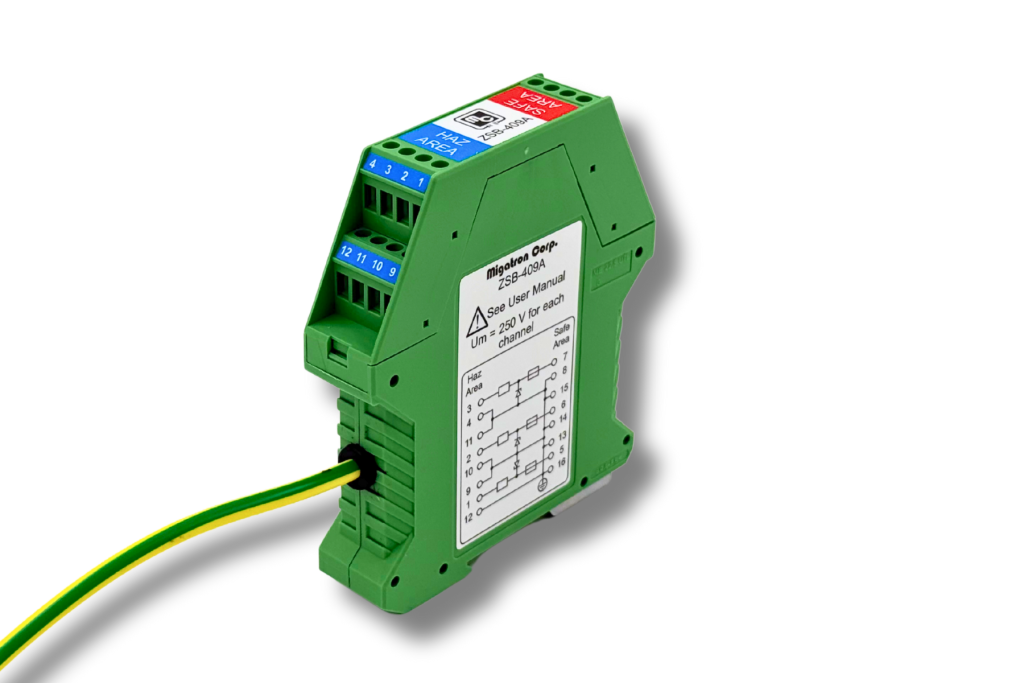
An approved safety barrier is installed in a control cabinet or protected enclosure.

Control System:Ā 
The sensor output is connected to a PLC, panel meter, or process controller.

This setup allows engineers to monitor level or distance in a hazardous location while keeping the control equipment in the safe area.

a diagram that displays Intrinsically Safe system architecture in a hazardous location

See How Our Ultrasonic Sensors Solve Real-World Challenges