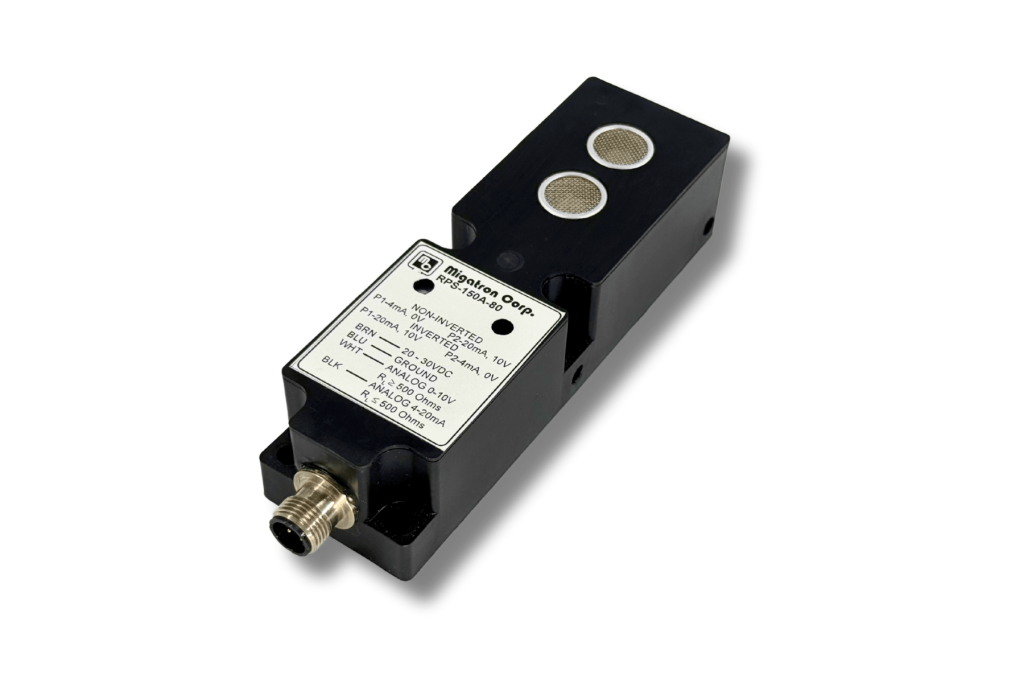
Ultrasonic sensors are a proven solution for process control applications that require accurate, non-contact distance and level measurement. In industrial environments where contact sensors fail due to buildup, corrosion, or mechanical wear, ultrasonic sensing provides stable, repeatable measurements without touching the process media.
Migatron ultrasonic sensors are used by OEMs and system integrators to monitor tank levels, material presence, and object position in a variety of process environments, including hazardous areas.
Common advantages include:
No contact with the process media
Minimal maintenance requirements
Reliable operation on liquids, solids, and bulk materials
Performance unaffected by color, transparency, or surface finish
Learn more about Migatron’s full range of ultrasonic sensors designed for industrial automation.
How Ultrasonic Sensors Are Used in Process Control
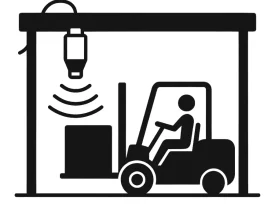
Ultrasonic sensors emit a sound pulse and measure the time it takes for the echo to return from a target surface. This time-of-flight measurement is converted into a precise distance signal that can be fed directly into a PLC, controller, or monitoring system.
Because the measurement is non-contact, ultrasonic sensors are ideal for:
Liquids, slurries, and viscous materials
Corrosive or dirty environments
Applications where sensor maintenance access is limited
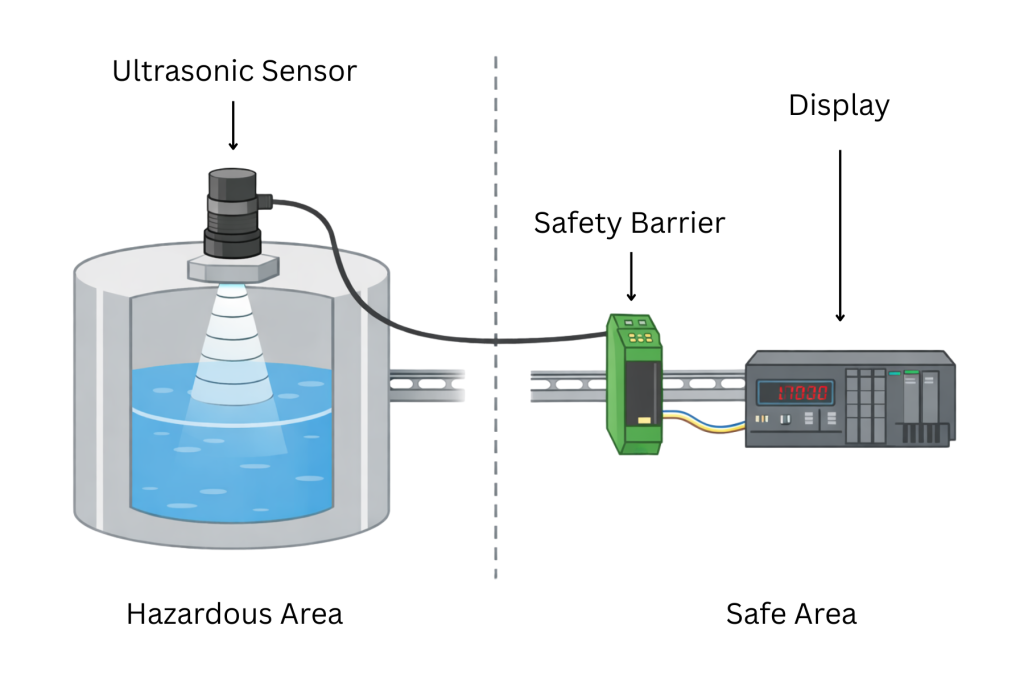
For hazardous locations, Migatron offers intrinsically safe ultrasonic sensors that have approvals for use in gas and dust environments that are often found in mining, oil & gas industries (when installed with an approved intrinsic safety barrier).
In a typical installation:
The ultrasonic sensor is mounted in the hazardous area
The sensor connects to a safety barrier located in the safe area
The barrier limits energy entering the hazardous area
The conditioned signal is routed to a PLC, controller, or display
This architecture allows continuous process monitoring while meeting global hazardous area requirements.
Migatron ultrasonic sensors are available with industry standard analog outputs, including:
4–20 mA current loop
0–10 V or 1–5 V voltage output
These outputs enable straightforward integration into PLCs, HMIs, and process control systems. Sensor scaling is based on sensing range, allowing engineers to map distance or level directly into control logic.
Contact Us to talk directly with one of our Engineers
Process Control Applications
Tank Level Monitoring
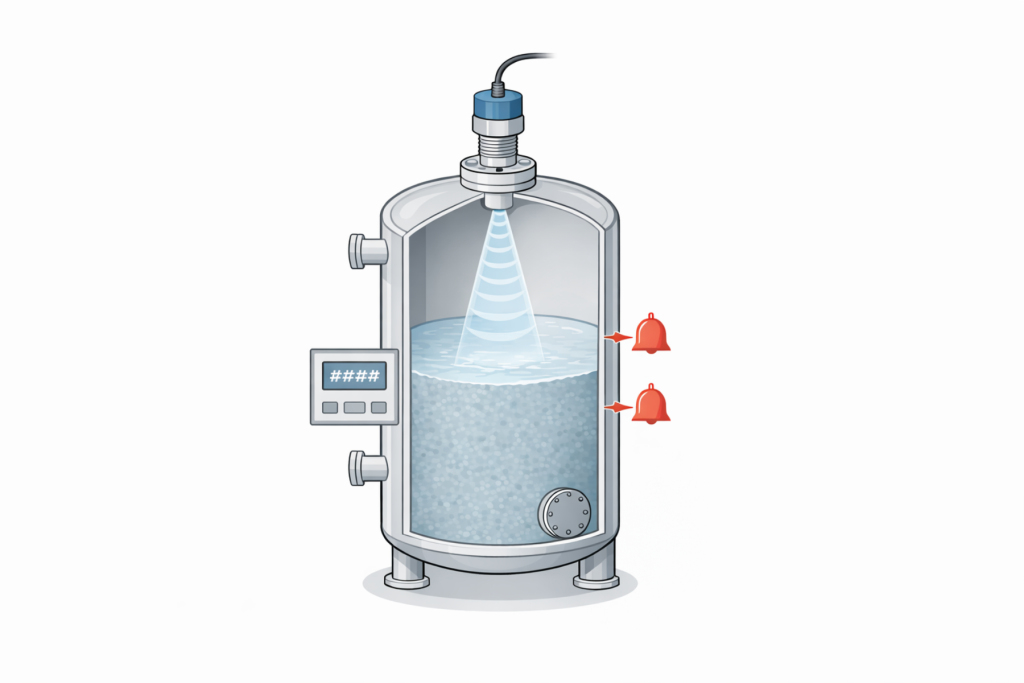
Monitor liquid or solid levels without contact. Ultrasonic sensors are unaffected by material color or transparency and provide stable analog output for continuous control.
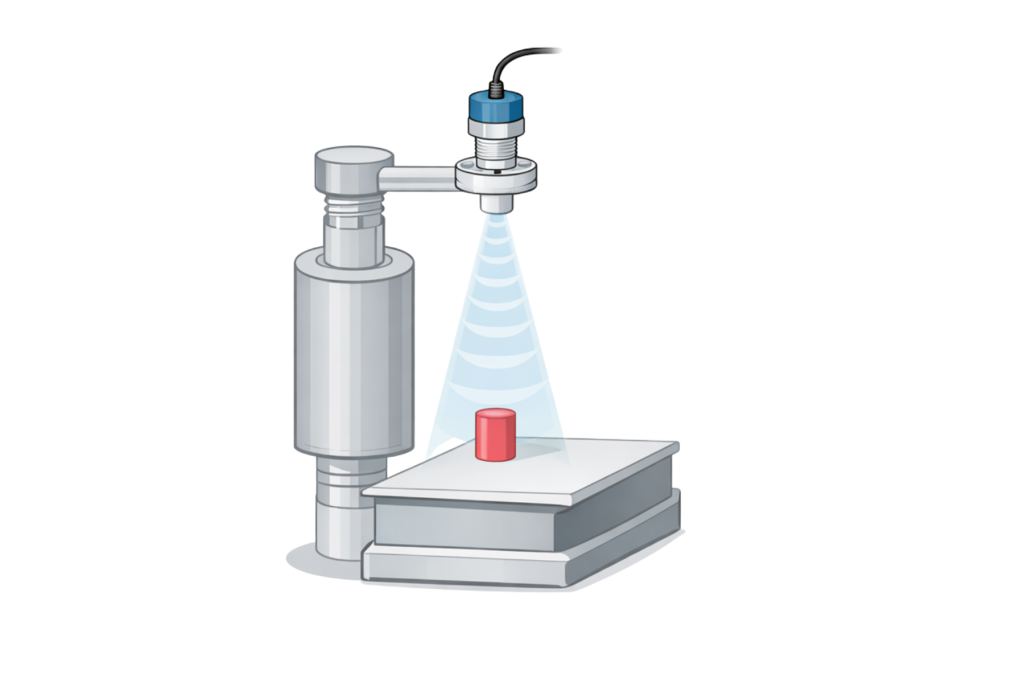
Ultrasonic sensors can detect the presence or absence of material or objects inside vessels, chutes, and enclosed process equipment. Because ultrasonic sensing does not rely on light, it performs consistently in dusty, dirty, or low-visibility environments.
Ultrasonic sensors integrate easily into existing control systems using standard analog outputs, making them well suited for retrofit projects and new equipment designs.
Non-Contact Measurement: No moving parts, no mechanical wear—ideal for harsh, wet, dusty, or corrosive environments.
Adaptable Outputs: Choose from 0–10V or 4–20mA analog outputs, pulse width, or relay switching for flexible integration with PLCs, control systems, and display meters.
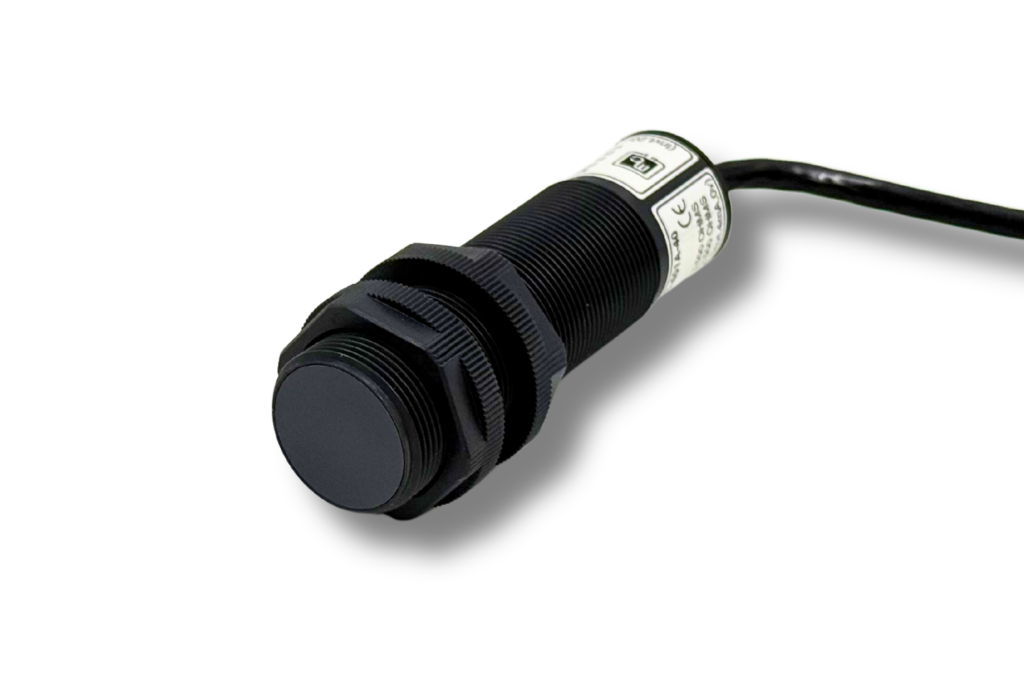
Hazardous Location Ready: Our Intrinsically Safe Ultrasonic Sensors, such as the RPS-409A-IS2 and RPS-409A-IS3, are certified for use in ANZEx/ATEX/IECEx environments.
Ensure accurate measurement of liquid and bulk material levels in tanks, hoppers, and silos. Our sensors deliver continuous analog voltage output for real-time process automation—improving accuracy in dosing, batching, and inventory management.
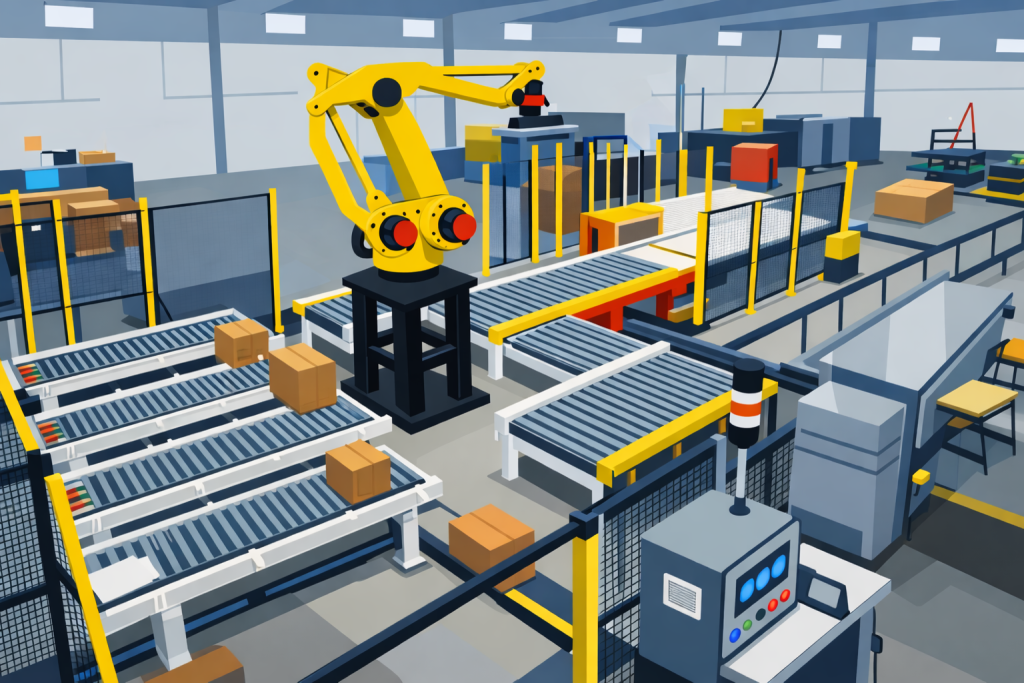
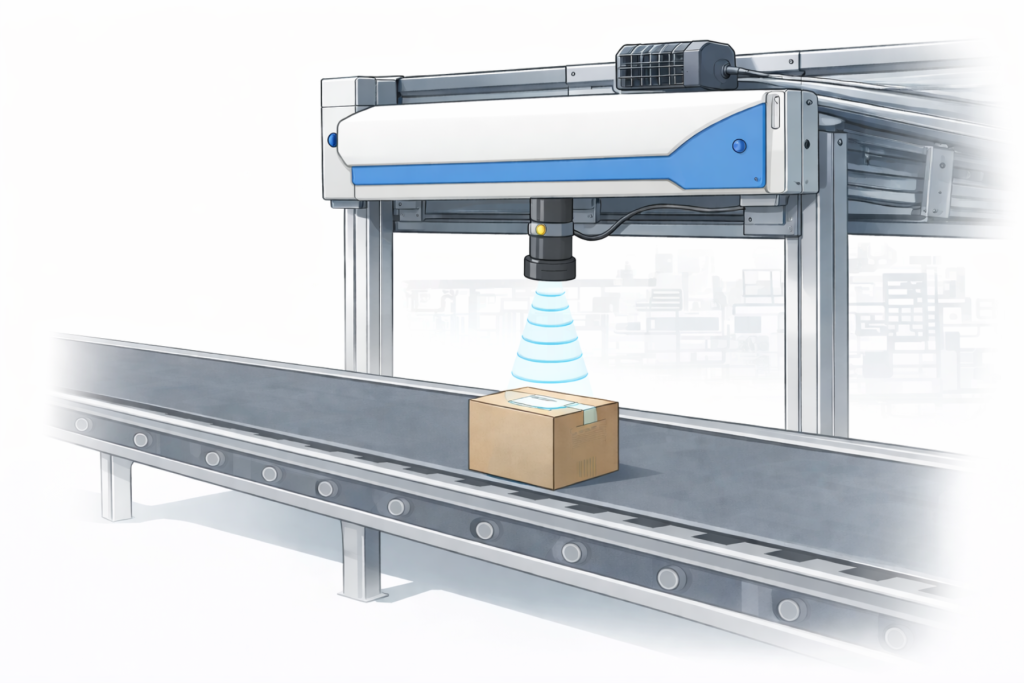
Ultrasonic sensors can detect the presence of parts, packages, or components on conveyor lines or in robotic systems. Ultrasonic sensors are immune to color, surface finish, or transparency, providing reliable detection in dusty industrial environments.
Maintain consistent spacing and monitor moving machinery with distance feedback. Migatron’s sensors enable real-time control based on position—essential for sorting systems, alignment checks, and quality inspection.